Budget Laptop Buying Tips
Consider a Chromebook if you live in the browser. If 90% of your work is Google Docs, email, YouTube, and web browsing, a Chromebook will feel faster and more responsive than a similarly-priced Windows laptop. ChromeOS is lighter, boots in seconds, and gets years of security updates. The trade-off is you can't install traditional Windows software.
Storage matters more than you think. A 128GB SSD will fill up fast once Windows updates, a few apps, and your files are on it. If you can stretch to a 256GB or 512GB model, you'll avoid the constant "low storage" warnings. Alternatively, a cheap 128GB laptop plus cloud storage works well if you have reliable internet.
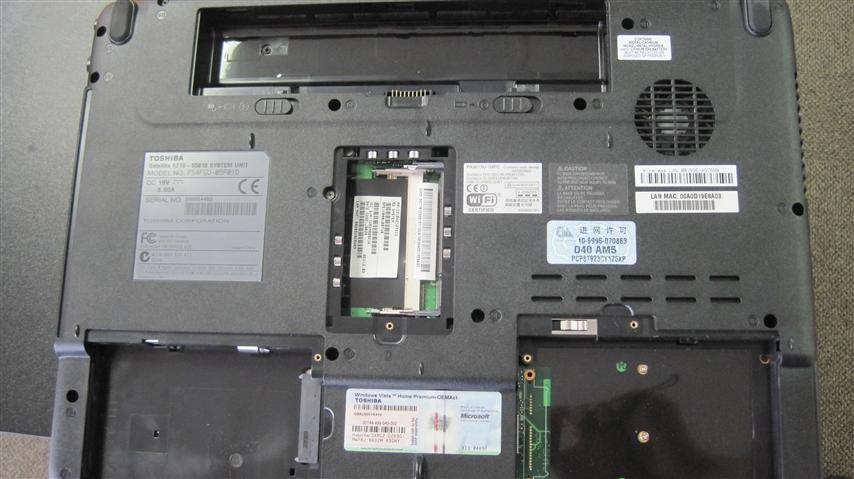
Check if RAM is upgradeable. Some budget laptops solder the RAM to the motherboard, meaning you're stuck with what you bought. Others have an open RAM slot, letting you add another stick later for $20–$30. This turns an 8GB laptop into a 16GB laptop without replacing it.
Skip the extended warranty. At this price point, extended warranties often cost 20–30% of the laptop's price. That money is better saved toward your next laptop in 3–4 years. The manufacturer's standard warranty covers defects for the first year.
Deciding between two specific laptops? See our head-to-head guides: Acer Aspire 5 vs ASUS VivoBook 15 and Lenovo IdeaPad vs HP Pavilion.
More budget guides: Want a ranked comparison? See our Top 7 Laptops Under $500 ranked by specs and reliability. Looking for build quality on a budget? Check Budget Laptops That Don't Feel Cheap.